Winning Australian Government Tenders: The Complete 2026 Guide for SMEs
The Australian government procurement landscape is shifting. If you’re an SME, startup, or government contractor, understanding how tenders work—and how they’re changing in 2026—is critical to winning contracts. This guide walks you through the entire process, from finding opportunities to submitting a winning response.
Understanding Australian Government Tenders
A government tender is a formal, competitive process where agencies invite suppliers to submit proposals for providing goods or services. Unlike informal quotation requests, tenders are highly regulated, transparent, and evaluated against published criteria.[1]
Australian Government Tenders 2026: Your Complete Guide to Winning Contracts
The Australian government procurement landscape is undergoing significant transformation in 2026. For SMEs, startups, and government contractors, this shift presents both challenges and unprecedented opportunities. But success requires understanding the structural changes reshaping how the Commonwealth buys goods and services—not just reacting to tender announcements.
This guide reveals the intelligence you need to position your business strategically in 2026.
Why 2026 Is a Pivotal Year for Government Tenders
Australian government procurement in 2026 is entering a new phase marked by three major forces: policy reform, major Defence investment, and the maturation of large-scale digital and health programs[1]. While previous years were shaped by headline budget announcements, 2026 rewards preparation and insight over reactive compliance.
How to Win Government Tenders in Australia: The 2026 Definitive Guide for SMEs
Australia’s government procurement landscape is shifting. Tender volumes are down from previous peaks, competition is intensifying, and new policies are reshaping how contracts are awarded. For Australian SMEs and contractors, 2026 demands a strategic shift: generic proposals no longer cut it. Success requires understanding the new rules, knowing where the opportunities are, and positioning your business to stand out.
Government Tenders in Australia 2026: A Complete Guide for SMEs and Contractors
Government tendering represents one of the most significant revenue opportunities for Australian businesses. With billions of dollars in annual public spending, accessing government contracts can accelerate growth—but only if you understand how to navigate the system effectively.
The landscape just shifted dramatically. As of 1 January 2026, Australia’s procurement environment has fundamentally changed, particularly in Queensland and across federal procurement practices. This guide cuts through the complexity and gives you the actionable strategies you need to win government tenders in 2026.
Tendering is a practical pathway for small businesses to win contracts from government agencies and large organisations. Following a clear, structured approach helps ensure your submissions are competitive and compliant.
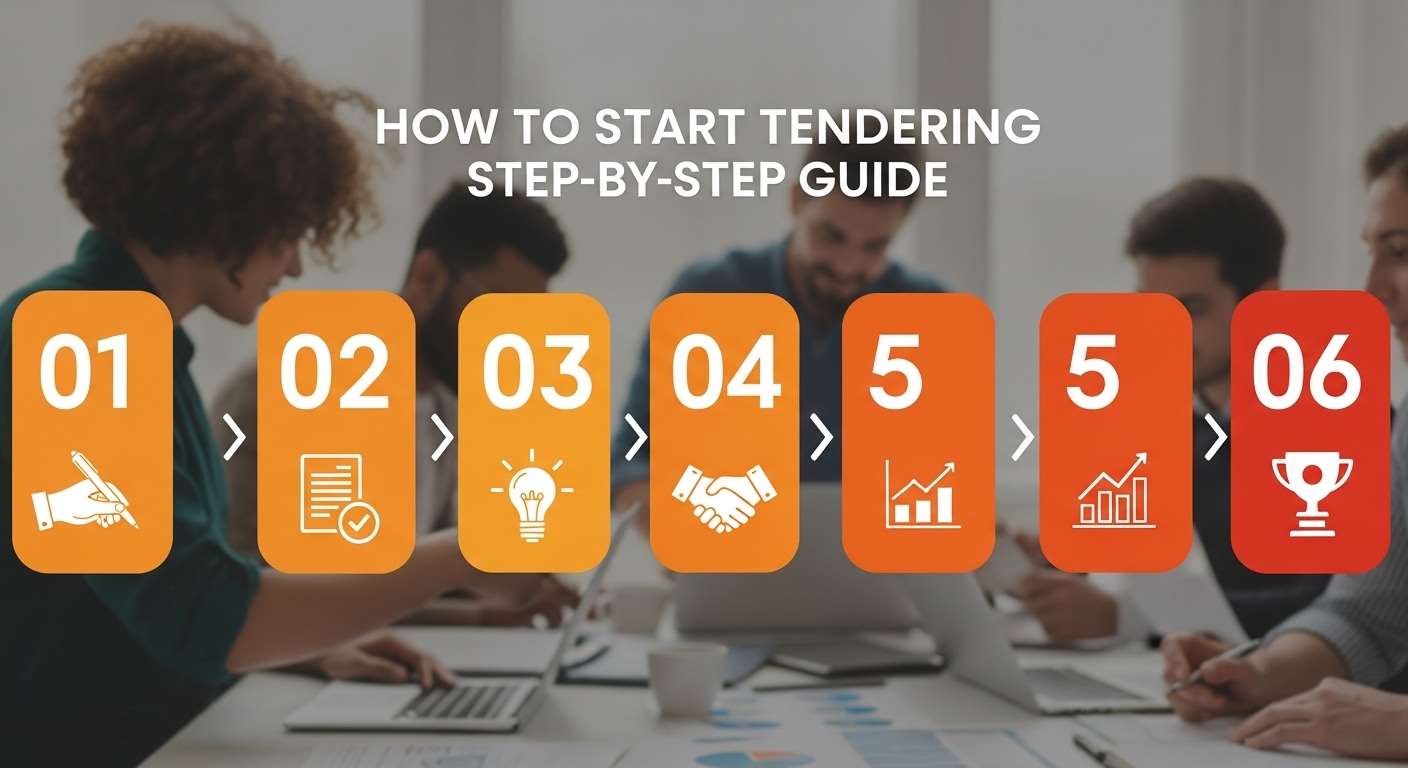
How to Start Tendering: A Step-by-Step Guide
Step 1: Find Suitable Opportunities
Register on platforms like AusTender, state portals, and council websites
Set up alerts for relevant tenders that match your business capabilities
Monitor opportunities regularly to stay ahead of deadlines
Step 2: Review Tender Documents Thoroughly
Download and examine the Request for Tender (RFT) or Approach to Market (ATM) documentation
Assess project scope, eligibility criteria, and deadlines to ensure a good fit for your business
Identify all mandatory requirements and evaluation criteria
Step 3: Prepare Your Submission
Address all sections and questions, focusing on demonstrating capability, past experience, and value for money
Ensure your response directly addresses the evaluation criteria
Step 4: Submit Before the Deadline
Use designated portals to upload your completed response and double-check attachments
Late submissions are usually not accepted unless due to technical fault
Keep confirmation receipts for your records
Step 5: Understand Evaluation and Next Steps
Tenders are usually scored against published criteria, so answer each requirement clearly and thoroughly
If successful, you’ll be notified and expected to fulfil contract terms
If unsuccessful, consider requesting feedback to improve future submissions
How Businesses Buy Smarter: Procurement Types
Businesses use different procurement strategies to manage costs, improve reliability, and streamline supply chains. Choosing the right procurement type depends on business size, goals, and risk tolerance.