The $25 Billion Black Hole: How Australia's Mega-Battery Imploded
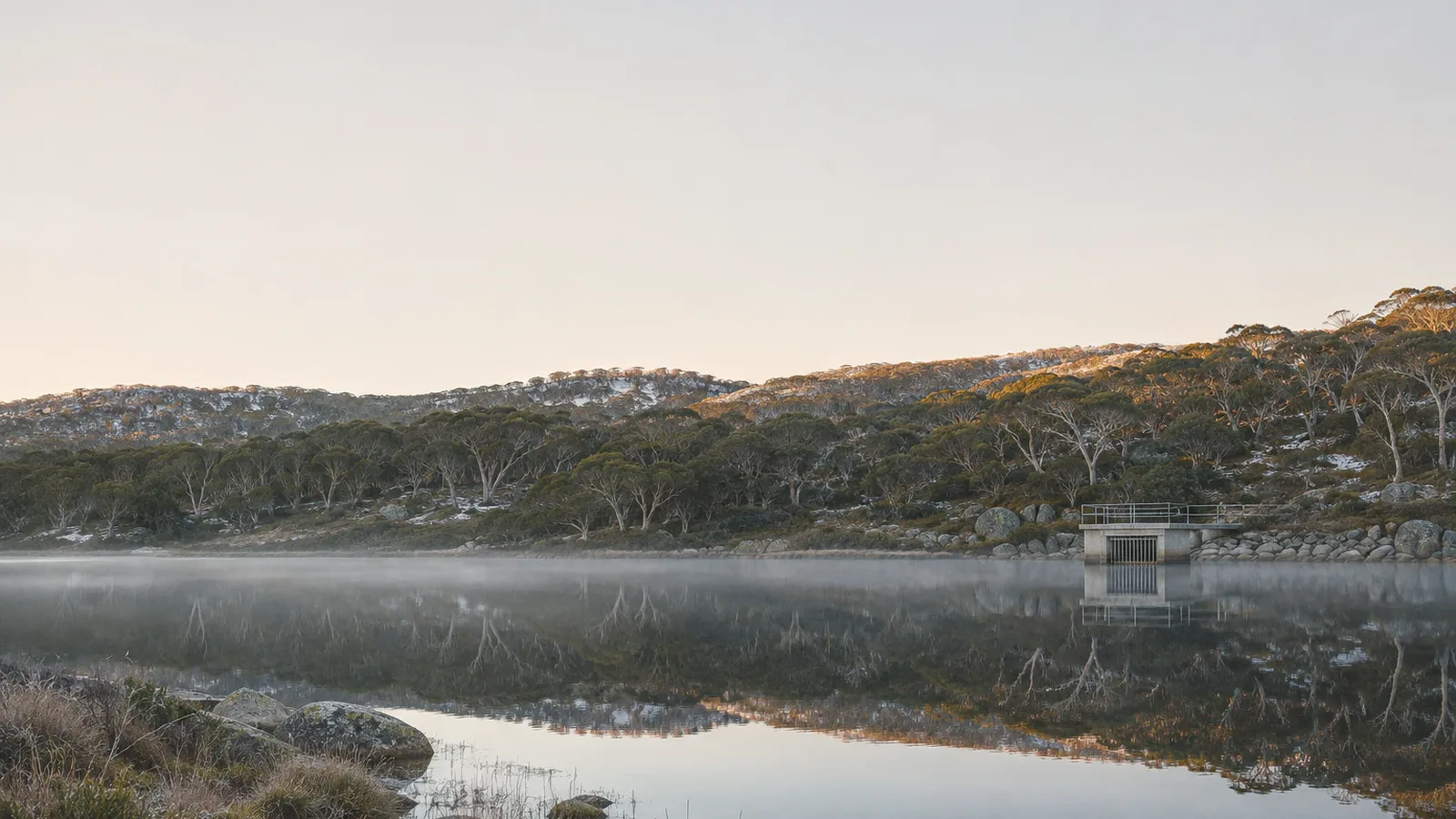
Snowy 2.0 was announced in March 2017 as a pumped-hydro battery that would cost about $2 billion and be running by 2021. On 22 October 2026, Snowy Hydro put the target cost at $22.2 billion, with a $25 billion cost scenario and full commissioning in late 2029.
The project is still going ahead. The useful question for anyone who procures, bids or delivers major civil works is why the price kept moving, and what it says about the decisions made before the first tunnel boring machine started.
Key points
- Snowy Hydro's target cost is $22.2 billion, with a $25 billion cost scenario. The 2017 headline cost was about $2 billion.
- Full commissioning is now late 2029, about eight years after the 2021 date first floated.
- The final investment decision, in December 2018, came before the geological studies were finished and before environmental works and transmission lines were approved.
- The 2023 contract reset moved cost risk onto Snowy Hydro. In June 2026 the Australian National Audit Office found Snowy Hydro had "not effectively held the contractors to account for delivery."
- For contractors, the warning signs are usually in the tender documents, before the work is won.
How much has the Snowy 2.0 budget grown?
In March 2017, Prime Minister Malcolm Turnbull announced Snowy 2.0. He said it would cost about $2 billion and take about four years, so it should be running by 2021.
On 22 October 2026, Snowy Hydro released a new number. The target cost is now $22.2 billion, and it has allowed for a $25 billion cost scenario. The CEO would not rule out further rises. Full commissioning has slipped to late 2029.
That's about 11 times the first estimate, or over 12 times at the $25 billion scenario, and about eight years late. The comparison isn't like for like: the $2 billion was an early headline figure, and the project's capacity has since grown from 2,000 MW to 2,200 MW.
What does the money buy?
- Scope: about 27 km of tunnels linking the Tantangara and Talbingo reservoirs, plus an underground power station that Snowy Hydro compares to the size of the Sydney Opera House
- Output: 2,200 MW of generation and 350,000 MWh of storage, which Snowy Hydro says could power 3 million homes for a week
- Progress (Oct 2026): machine tunnelling is 65% done and cavern excavation 90%, with more than 5,000 people working on the project
- Cost path: $2bn (2017) → $6.1bn (2018 investment decision) → $12bn (2023 reset) → $22.2bn target, $25bn scenario (2026)
Why did the cost keep rising?
1. The decision came before the ground was understood
The Snowy Hydro board made its final investment decision in December 2018, before geological studies were finished. Environmental works and transmission lines weren't approved yet either. In October 2026, Snowy Hydro again listed "design immaturity" at that decision first among its four primary reasons for the higher cost. In tunnelling, what you don't know about the ground ends up in the budget later.
2. The ground pushed back
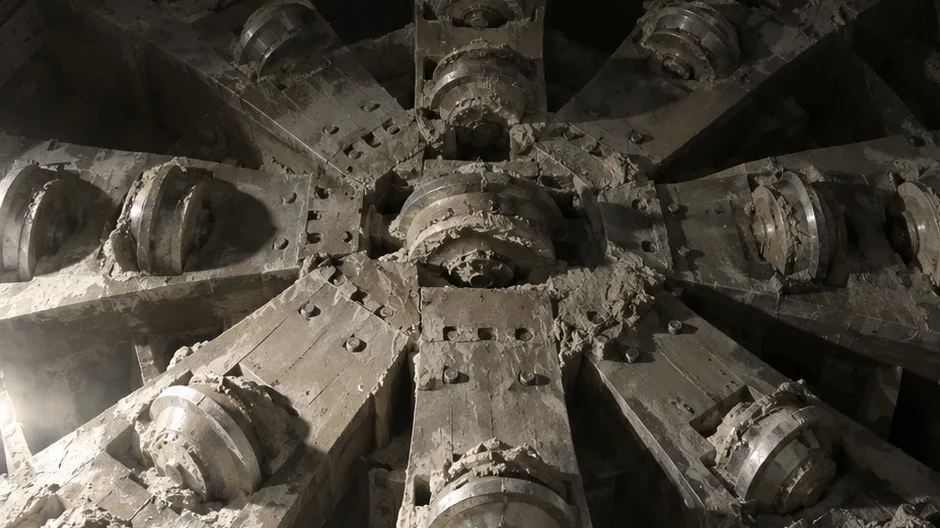
TBM Florence is 143 metres long. About 150 metres into a 15 km drive, it hit soft ground. It didn't move for nearly a year, and a sinkhole opened up above it. In 2024 it was stuck again in hard rock for about seven weeks. Snowy Hydro now says it is almost halfway through the drive.
3. The contract model didn't suit the risk
CEO Dennis Barnes says the original fixed-price contract was "never suitable for such scale, uniqueness and complexity," and that moving away from it has protected the project from an even greater cost increase. The 2023 reset moved to an incentivised, collaborative model, and that shifted the cost risk onto Snowy Hydro.
In June 2026, the Australian National Audit Office found Snowy Hydro had "not effectively held the contractors to account for delivery." It also had no reliable system for forecasting costs, and no agreed baseline schedule.
4. Labour and productivity drive the cost
Barnes says about 80% of the cost is labour. Snowy Hydro's latest reassessment lists four primary reasons. Alongside design immaturity, it says the main contractor missed productivity targets amid construction complexity and underestimated the delivery scope. It also points to global price rises for equipment, services and people, beyond what the 2023 reset allowed for.
Why can't Snowy 2.0 simply be stopped?
Most experts say stopping now makes little sense. Much of the money is already spent. The asset also covers a gap batteries struggle with: several winter days in a row with little wind or sun.
Snowy Hydro points to South Australia in January 2026, when batteries ran low and prices spiked. Modelling done for Snowy Hydro of a future low-wind week in NSW, with coal retired, puts average prices about $7,000/MWh lower with Snowy 2.0 than with an equivalent battery. Large coal plants in NSW and Victoria are due to close over the next few years, and data-centre demand is forecast to grow.
The case against is just as blunt. "If we had our time again, the answer wouldn't be Snowy Hydro," says Tristan Edis of Green Energy Markets, given how fast batteries have improved. He adds that abandoning it now would make little sense.
GHD's study, commissioned by Snowy Hydro, estimates about $18.3bn of gross value added during construction and about $7bn in lower electricity costs to 2075, in present-value terms. GHD says it is not a cost-benefit analysis.
Who pays for Snowy 2.0?
In the end, Australians do, through taxes and power bills. Snowy Hydro says the $22.2bn isn't all funded by taxpayers: at the earlier $12bn budget, about a third was government equity and most of the rest was loans it has to repay. It hasn't said what the split will be now, and the government has yet to say how much it will put in.
What does Snowy 2.0 mean for contractors and owners?
Snowy 2.0 is extreme. The pattern isn't. Projects get committed before the ground is understood. The contract model doesn't fit the risk. The owner doesn't have the data to hold delivery to account.
For owners, the fix is to spend more on investigation and assurance before the investment decision. For contractors, the warning signs are usually there in the tender documents, before the work is won.
Reading those signs early is a skill you can build. For a quick way to decide which tenders deserve your team's time, see the 5-minute go/no-go framework. For how council papers show civil work before it's tendered, see using council meeting minutes and capital works budgets to spot tenders early, and how to build a civil tender pipeline you can forecast.
Frequently Asked Questions
How much will Snowy 2.0 cost?
Snowy Hydro's target cost, announced on 22 October 2026, is $22.2 billion, with the company allowing for a cost scenario of $25 billion. The CEO has said he can't rule out further rises. The 2017 headline cost was about $2 billion.
When will Snowy 2.0 be finished?
Snowy Hydro is targeting full commissioning in late 2029. In 2017 it was meant to be running by 2021.
Why did Snowy 2.0 cost so much more than first announced?
Snowy Hydro lists four primary reasons: design immaturity when the final investment decision was made, the main contractor missing productivity targets amid construction complexity, an underestimated delivery scope, and global cost escalation beyond what the 2023 reset allowed for. The early $2 billion figure was also a headline estimate, made before the feasibility study.
Who pays for Snowy 2.0?
Snowy Hydro is government-owned, so the cost ends up with Australians through taxes and power bills. Snowy Hydro says the $22.2 billion isn't all funded by taxpayers, because much of the funding is loans it must repay. At the earlier $12 billion budget, about a third was government equity. The split for the new cost hasn't been announced.
What did the Audit Office find about Snowy 2.0?
The Australian National Audit Office's June 2026 report (No. 39 of 2025–26) found that Snowy Hydro had not effectively held the contractors to account for delivery. It also found a reliable cost-forecasting system was still not in place and there was no agreed baseline schedule.
Sources
- Snowy Hydro, Snowy 2.0 cost reassessment complete, 22 October 2026.
- Minister for Climate Change and Energy and Minister for the Public Service, Joint media release: Update on Snowy 2.0, 23 October 2026.
- Australian National Audit Office, Delivery of Snowy 2.0, Auditor-General Report No. 39 2025–26, June 2026.
- Snowy Hydro, Securing the future of critical energy transformation: resets, 31 August 2023.
- ABC News, Review finds delayed Snowy 2.0 hydropower project could cost up to $25b, 22 October 2026.
- RenewEconomy, "Very disappointing": Snowy confirms pumped hydro costs double again to a possible $25bn, 22 October 2026.
- GHD, Snowy 2.0 Project Benefits Analysis, October 2026.
- Snowy Hydro, Snowy 2.0 is a non-negotiable for Australia's future energy security (Baringa modelling), 4 June 2026.
- The Guardian Australia, Snowy 2.0 explainer, 24 October 2026 (Tristan Edis quote).
- AAP, Snowy costs blow out but there's light at end of tunnel, 23 October 2026.
This article is based on public sources as at 6 November 2026. The $22.2 billion is a target cost and the $25 billion a scenario, not final costs, and dates and figures can change.