Making public investment legible
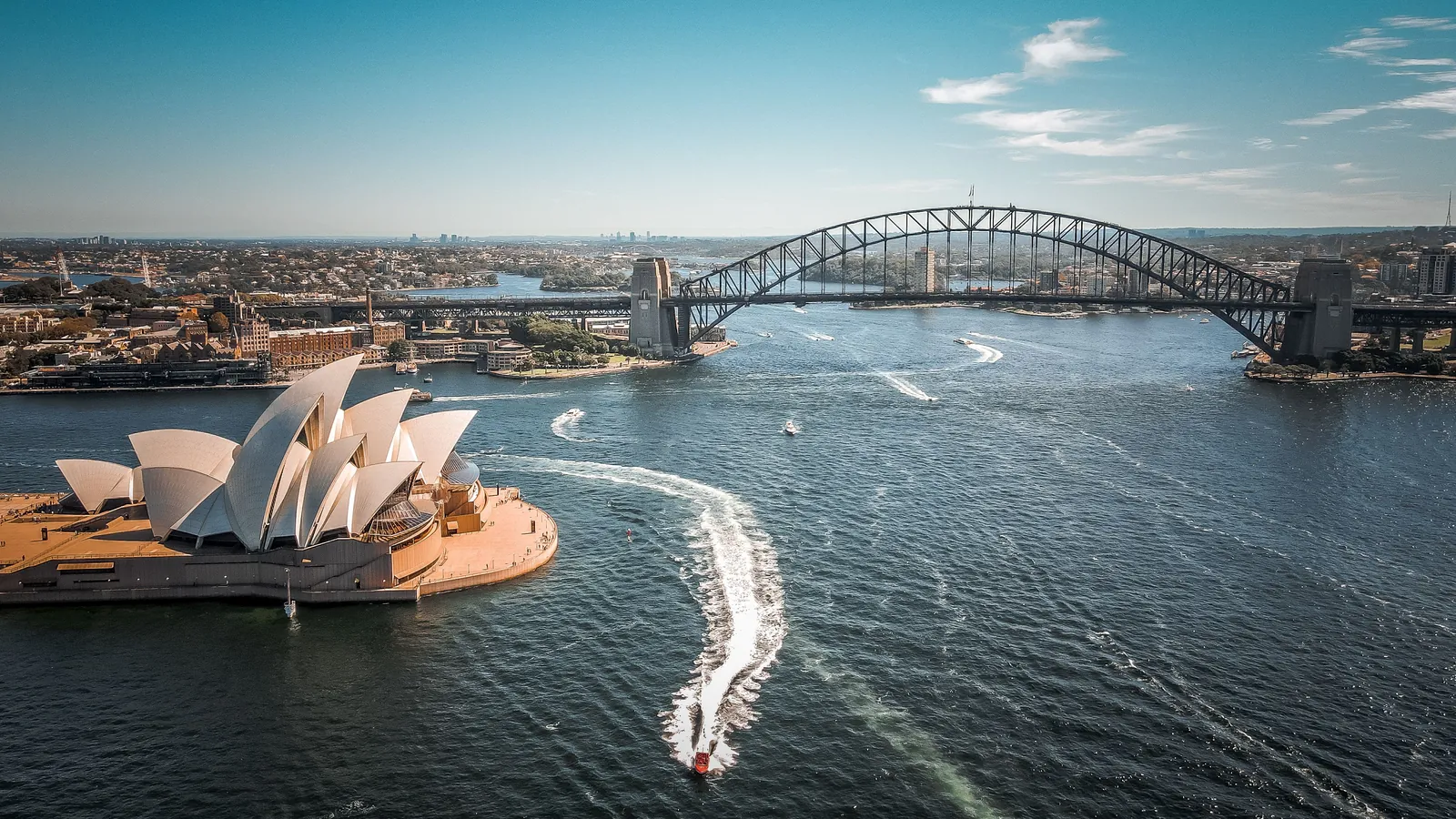
Civil infrastructure is where public money becomes public life. Every road, bridge and drainage network in Australia is decided in public, funded by the community and built to serve it for generations. Few commitments a government makes are as consequential, or as enduring.
Yet the evidence behind those commitments is rarely held in one place. A single project's history runs through budget papers, council resolutions, grant applications and funding announcements, each issued by a different authority for a different purpose. No one document tells the whole story, and reconciling them falls to skilled people working across documents and agencies, often against the clock.
This is not a question of administration. It is a question of public value. When a project goes to market on a partial record, the gaps can resurface later, as contingency, as re-tendering, as variation, and each is met from the public purse. Closing that gap is the work Tendor was built to do.
Where evidence meets cost
The cost of an incomplete record is set at 4 points, long before a contract is signed:
- The pre-tender estimate. Is the budget grounded in what comparable work has cost?
- The scope. Is it defined clearly enough to be priced without heavy contingency?
- The evaluation. Are the criteria and benchmarks informed by how comparable public work has been scoped and delivered?
- Variation risk. Which risks are likely to emerge in delivery, where they are most costly to resolve?
Where that evidence is partial, contingency can grow, tenders can return to market and variations can follow, each at public expense.
30 months on the public record, across 2 levels of government
A single project often spans more than one level of government. Each record is sound on its own terms; the value lies in reading them as one. Ayr Industrial Estate road and drainage upgrade, Burdekin Shire Council, Queensland:
- December 2023. A road and kerb reconstruction appears as a new item in the council budget.
- August 2024. Council endorses an application for federal road funding, for a project now far larger than the first budget line.
- September 2025. Council announces the funding has been secured.
- June 2026. The tender opens.
Funding conditions, staging and the growth of scope were all documented. What was absent was a single, continuous view.
Learning from the ground and the market
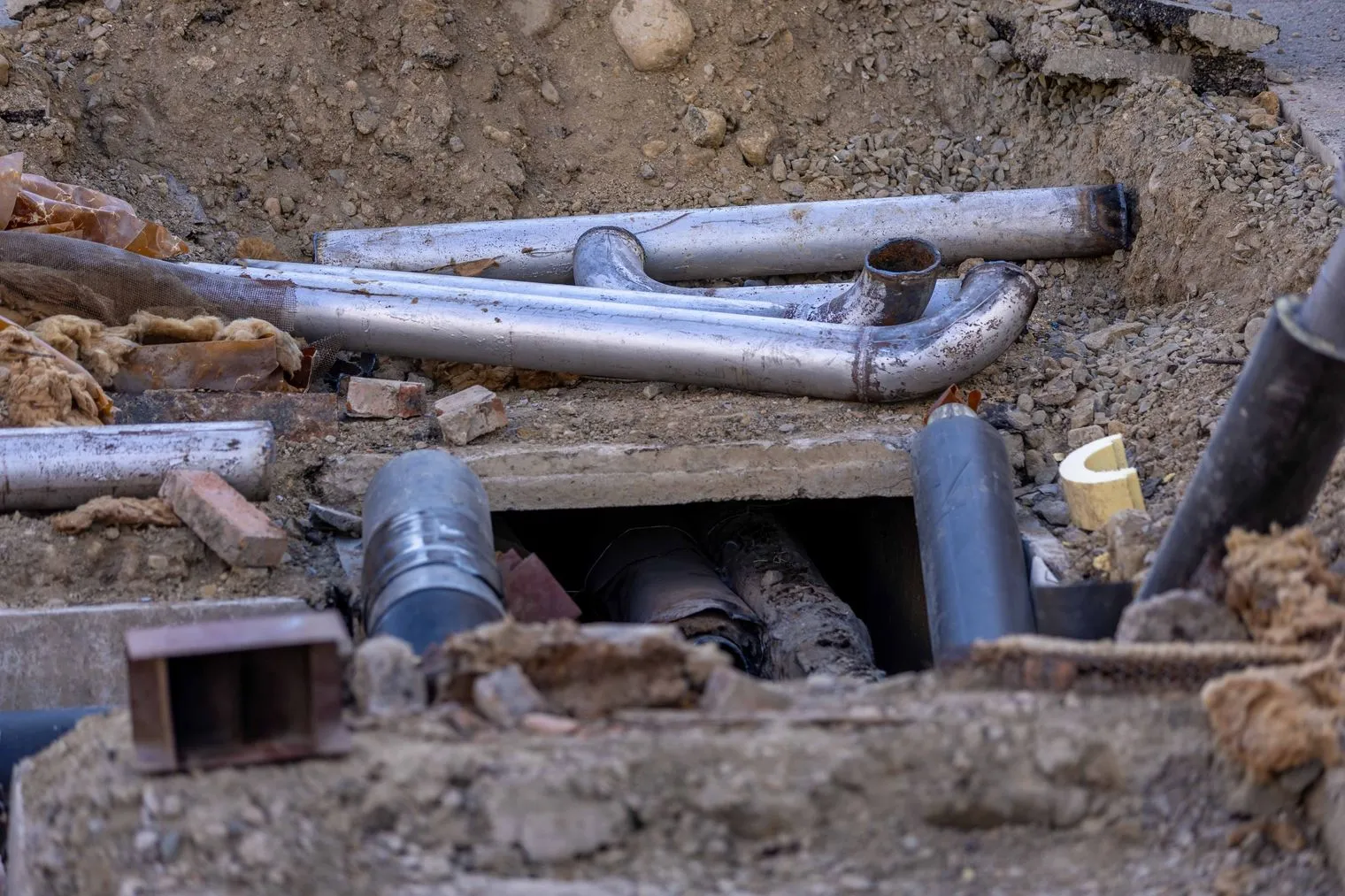
Many variations begin below the surface: in ground conditions, existing services, site access and environmental constraints. These are the risks hardest to price and costliest to discover in delivery. Where comparable works are documented, the record shows how they were scoped, what surfaced once work began, and where contracts were varied. Brought forward before tender, that experience can inform scope, site investigation and risk allocation, so that each project carries the lessons of those before it.
Scope defined before market
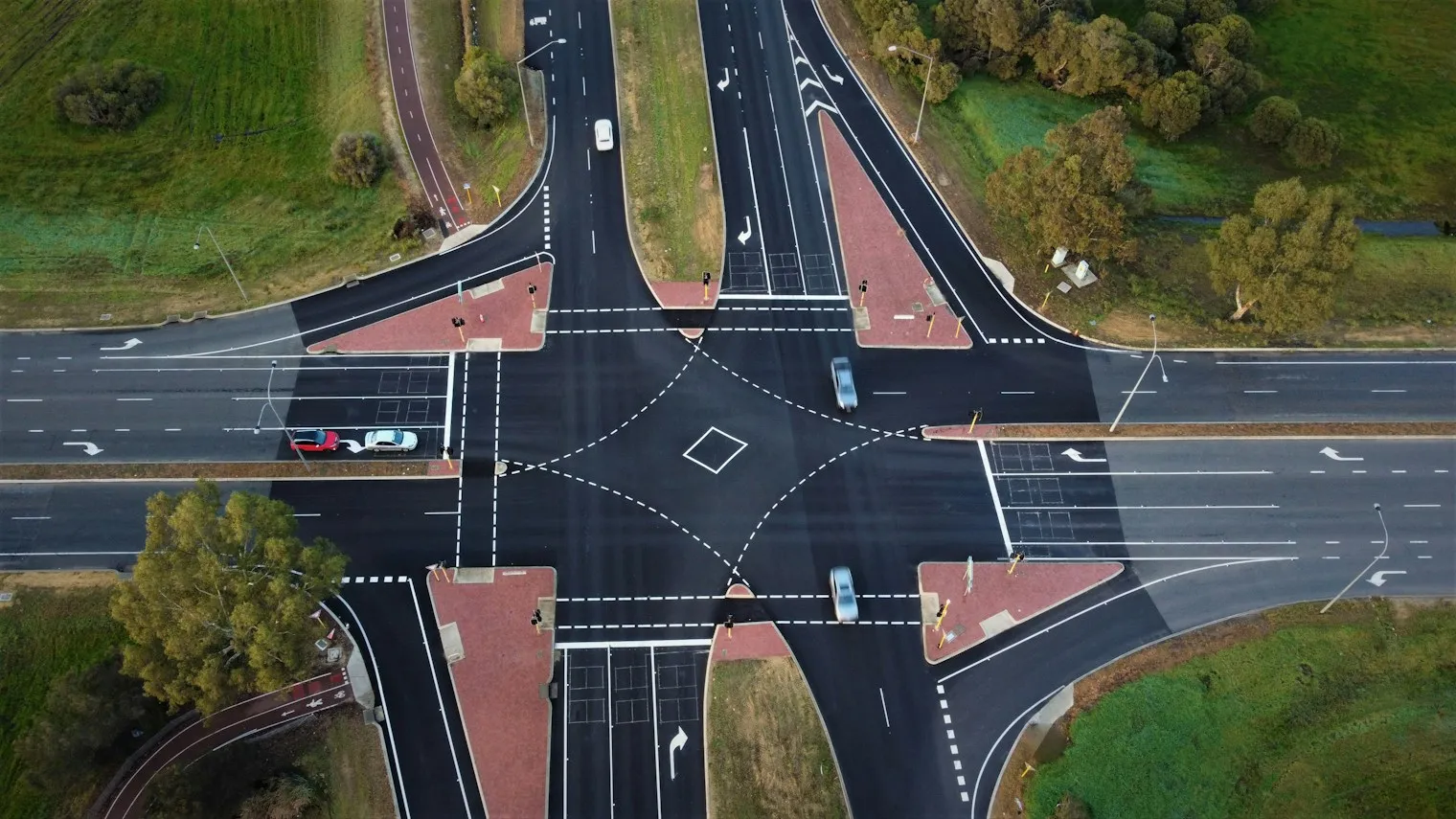
Ocean Beach Road and Rawson Road intersection upgrade, Woy Woy, Central Coast Council, New South Wales:
- Written into the council's published delivery plans well before the work was invited.
- The published design replaces a single-lane roundabout with a signalised intersection and a signalised pedestrian crossing on every leg.
Carried into procurement, a scope settled in public becomes evidence for the estimate, the evaluation and the contract.
A better-prepared market
The same record serves the contractors who price and deliver the work. When funded projects can be followed through public budgets and plans, contractors can plan their capacity and commit early to the work they are best placed to deliver. A better-prepared market returns sharper prices and fewer surprises.
Our mission
Tendor's mission is to make public investment in civil infrastructure legible, so that every project goes to market on better evidence of cost, scope and risk.
We build procurement intelligence for Australian civil infrastructure: a single view of the public record, drawn from the agencies' own published documents, for those who fund, manage and deliver the work.
Better evidence is how more of every public dollar reaches the ground: in the next road, the next bridge, the next drain.
Tendor is supported by the NSW Government through Investment NSW. We regard that support as a public trust, to be repaid in better-planned, better-delivered infrastructure for the communities it serves.